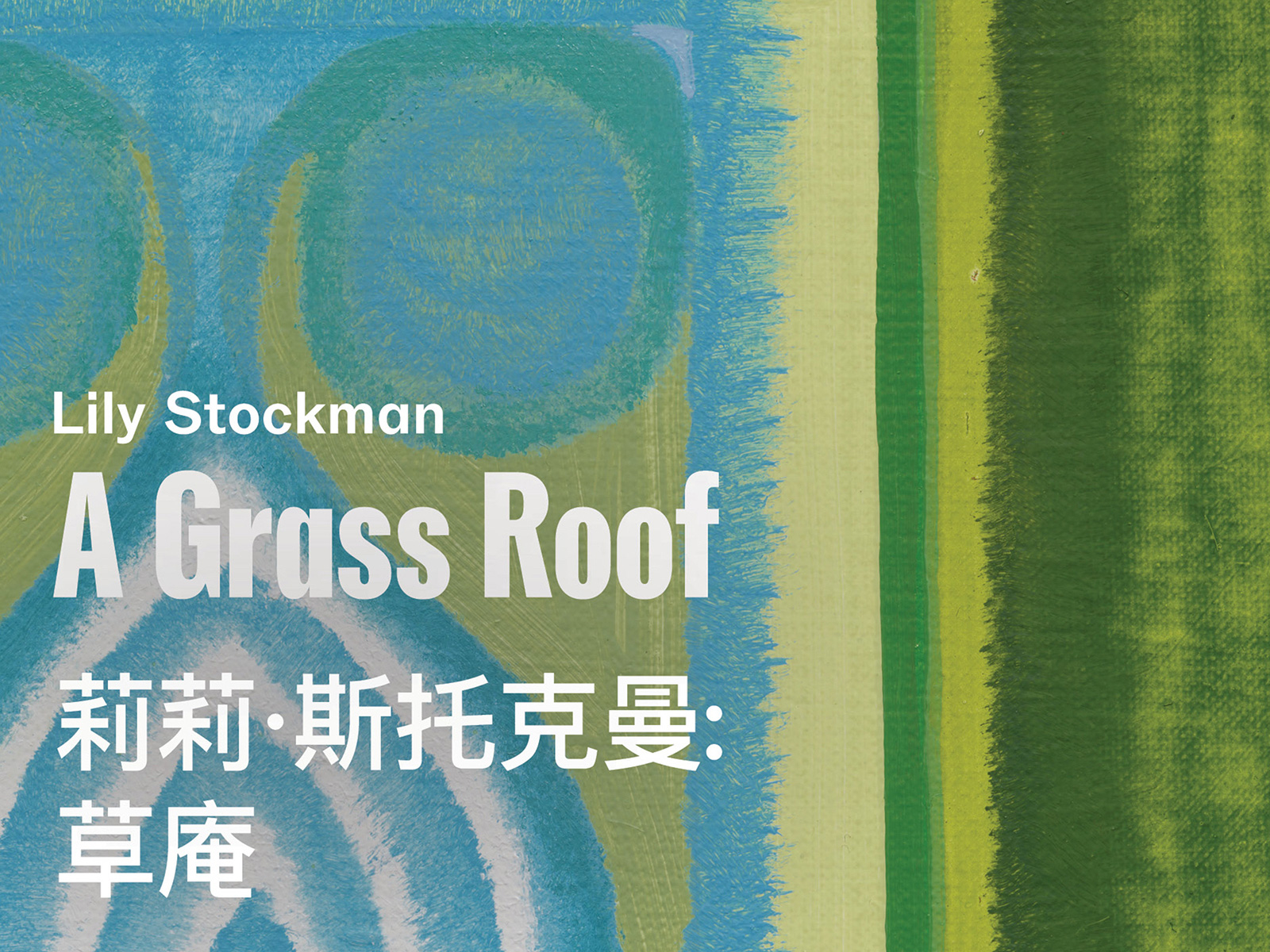
MASSIMODECARLO is pleased to present “A Grass Roof”, Lily Stockman’s first exhibition in Hong Kong. Stockman takes her title from the eighth-century poem, “Song of the Grass Roof Hermitage”, by the Buddhist zen master Shitou Xiqian, to explore the boundaries between interior refuge and infinite expanse in her new oil paintings.
Stockman’s works collapse perspective and dissolve perceived space through portals of color and the permeable boundaries that circumscribe them. Her organic shapes bloom and recede, and scumbled outlines and slivered shadows create what Stockman describes as a “permeability” between self and spaciousness.
If her 2024 exhibition at Le Corbusier’s Maison La Roche in Paris engaged architecture as a “machine for living” –that modernist ideal of fixed frameworks and rational solutions– then “A Grass Roof” proposes painting as provisional architecture. A thatched hut.
In “Cold Mountain” (all works 2026), an atmosphere of vaporous soft blues contain the hard edges of nesting green humps. Here Stockman borrows her title from Brice Marden’s famous series of zen calligraphy paintings, referencing the lineage of American painters studying Chinese painting, while her palette of blues and greens evokes the illusion of perspectival distance.
Some of her landscapes are conceptually more abstract: In “Meadowlark”, a pale celadon ground vibrates out from an orange isosceles triangle– referencing the “falling water” spectrum of frequencies of the Western Meadowlark’s melodic song. Her spectrogram implies the landscape of the American west, where Stockman has observed and recorded the bird’s gurgling warbles in spring.
Stockman’s paintings enact the logic of Shitou’s poem through the very way they are made: built up with fine badger and large horsehair brushes –the implements of Chinese calligraphy– her lines wobble and breathe, recording the pressure of fingers, the tremor of a wrist, blurring the line between interior refuge and open expanse.
Her research encompasses Ni Zan’s Yuan dynasty landscapes with their unpeopled mountains; the sixth-century Buddhist ceiling frescoes of the Mogao caves; and Isabelle Tillerot’s account of how eighteenth-century European encounters with Chinese garden design revolutionized Western painting. The result is a body of work that operates as portals between states of being. Each painting has what Stockman describes as “a window left open / so that / the room might fill with breeze.”
In Hong Kong’s urban density, that opening feels crucial– not as escape but as recalibration. The smallest hut, Shitou writes, “includes the entire world.” Stockman’s paintings make that same paradoxical claim.
MASSIMODECARLO 榮幸呈現 《草庵》,這是莉莉·斯托克曼在香港的首次個展。斯托克曼從八世紀禪宗大師石頭希遷的詩作《草庵歌》中汲取標題靈感,在其全新的油畫創作中探討內在庇護與無限空間之間的邊界。
斯托克曼的作品透過色彩構成的「入口」及其所界定的可滲透邊界,消解透視並瓦解既定的空間感知。她的有機形態時而綻放、時而退隱;斑駁的輪廓與碎片般的陰影營造出她所謂自我與廣闊空間之間的「滲透性」。
如果說她2024年在勒·柯比意拉羅什別墅的展覽將建築視為「居住的機器」──那種現代主義理想中固定的框架與理性的解決方案──那麼《草庵》則提出繪畫作為一種臨時的建築結構:一座草頂茅屋。
在《Cold Mountain》(全部作品創作於 2026 年)中,柔和如霧的藍色氛圍包裹著層疊綠色丘狀形體的堅硬邊緣。斯托克曼在此借用了布里斯·馬登 (Brice Marden) 著名的禪意書法繪畫系列之名,呼應美國藝術家研習中國繪畫的傳統脈絡;與此同時,她運用的藍綠色調喚起了透視距離的視覺幻象。
她的一些風景作品在觀念上更為抽象:在《Meadowlark》中,淡青色 (celadon) 背景自一個橙色等腰三角形向外振動──這一形狀指涉西部草地雲雀 (Western Meadowlark)旋律般鳴唱的「瀑布式」頻譜。這幅聲譜圖暗示著美國西部的風景,斯托克曼曾在該地區觀察並記錄這種鳥在春天的咕噥顫鳴。
斯托克曼的繪畫透過其製作方式本身演繹著石頭詩歌的邏輯:以中國書法慣用的細狼毫與粗馬毛畫筆層層疊加。她的線條搖曳呼吸,記錄手指的壓力與手腕的顫動,模糊了內在庇護與開放空間之間的界線。
她的研究涵蓋元代倪瓚筆下荒無人跡的山水、六世紀莫高窟的佛教窟頂壁畫,以及 Isabelle Tillerot 對十八世紀歐洲接觸中國園林設計後如何革新西方繪畫的論述。最終形成的一組作品,如同通往不同存在狀態的入口。每幅畫都如斯托克曼所形容:「有一扇窗開著/好讓/滿室生風」。
在香港高度密集的城市環境中,這樣的「開口」顯得尤其重要──它並非為了逃離,而是一種重新校準。石頭希遷寫道,即便最小的茅屋「能容大千世界」。斯托克曼的繪畫同樣提出了這一悖論式的主張。
MASSIMODECARLO 荣幸呈现 《草庵》,这是莉莉·斯托克曼在香港的首次个展。斯托克曼从八世纪禅宗大师石头希迁的诗作《草庵歌》中汲取标题灵感,在其全新的油画创作中探讨内在庇护与无限空间之间的边界。
斯托克曼的作品通过色彩构成的“入口”及其所界定的可渗透边界,消解透视并瓦解既定的空间感知。她的有机形态时而绽放、时而退隐;斑驳的轮廓与碎片般的阴影营造出她所谓自我与广阔空间之间的“渗透性”。
如果说她2024年在勒·柯比意拉罗什别墅的展览将建筑视为“居住的机器”──那种现代主义理想中固定的框架与理性的解决方案──那么《草庵》则提出绘画作为一种临时的建筑结构:一座草顶茅屋。
在《Cold Mountain》(全部作品创作于 2026 年)中,柔和如雾的蓝色氛围包裹着层叠绿色丘状形体的坚硬边缘。斯托克曼在此借用了布里斯·马登 (Brice Marden) 著名的禅意书法绘画系列之名,呼应美国艺术家研习中国绘画的传统脉络;与此同时,她运用的蓝绿色调唤起了透视距离的视觉幻象。
她的一些风景作品在观念上更为抽象:在《Meadowlark》中,淡青色 (celadon) 背景自一个橙色等腰三角形向外振动──这一形状指涉西部草地云雀 (Western Meadowlark)旋律般鸣唱的“瀑布式”频谱。这幅声谱图暗示着美国西部的风景,斯托克曼曾在那里观察并记录这种鸟在春天的咕哝颤鸣。
斯托克曼的绘画通过其制作方式本身演绎着石头诗歌的逻辑:以中国书法惯用的细狼毫与粗马毛画笔层层叠加。她的线条摇曳呼吸,记录手指的压力与手腕的颤动,模糊了内在庇护与开放空间之间的界限。
她的研究涵盖元代倪瓒笔下荒无人迹的山水、六世纪莫高窟的佛教窟顶壁画,以及 Isabelle Tillerot 对十八世纪欧洲接触中国园林设计后如何革新西方绘画的论述。最终形成的一组作品,如同通往不同存在状态的入口。每幅画都如斯托克曼所形容:「有一扇窗开着/好让/满室生风」。
在香港高度密集的城市环境中,这样的“开口”显得尤其重要──它并非为了逃离,而是一种重新校准。石头希迁写道,即便最小的茅屋「能容大千世界」。斯托克曼的绘画同样提出了这一悖论式的主张。